Visual Interpretation Strategy for Literary Publication
The Intent
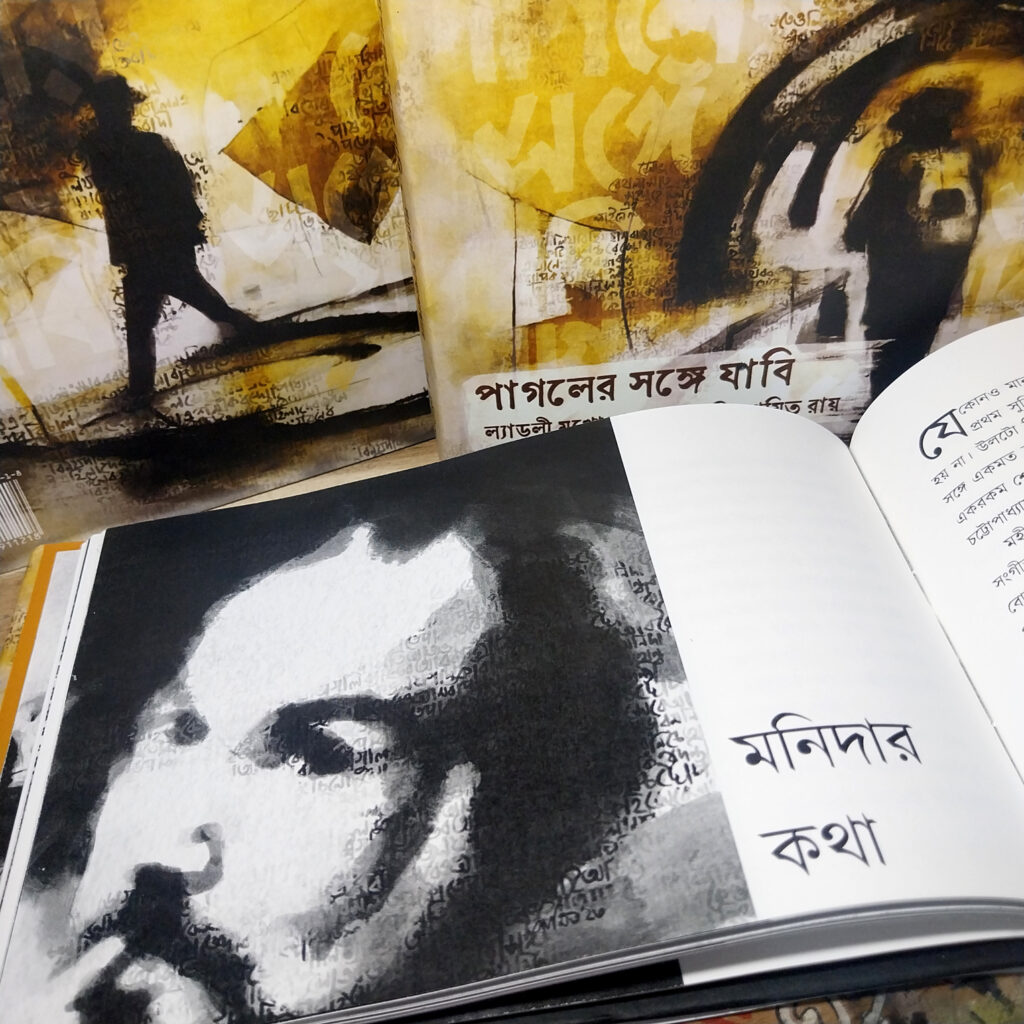
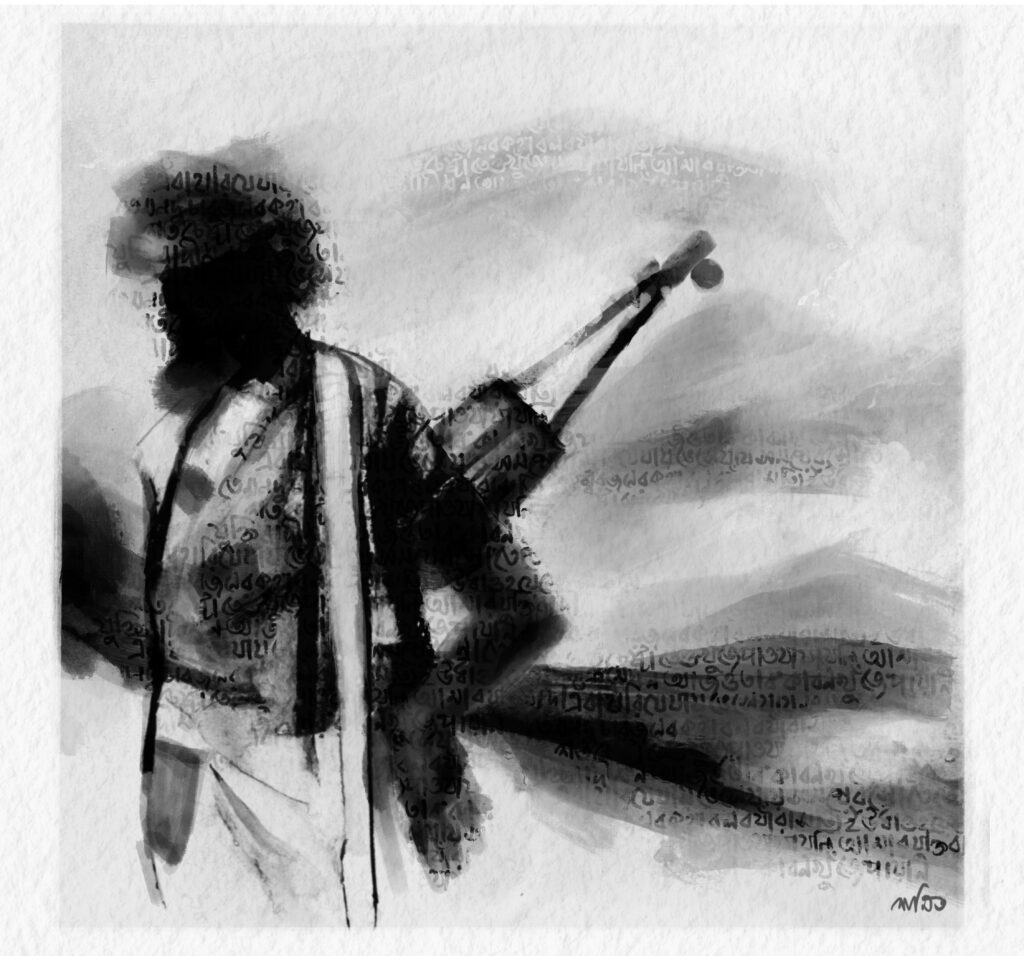
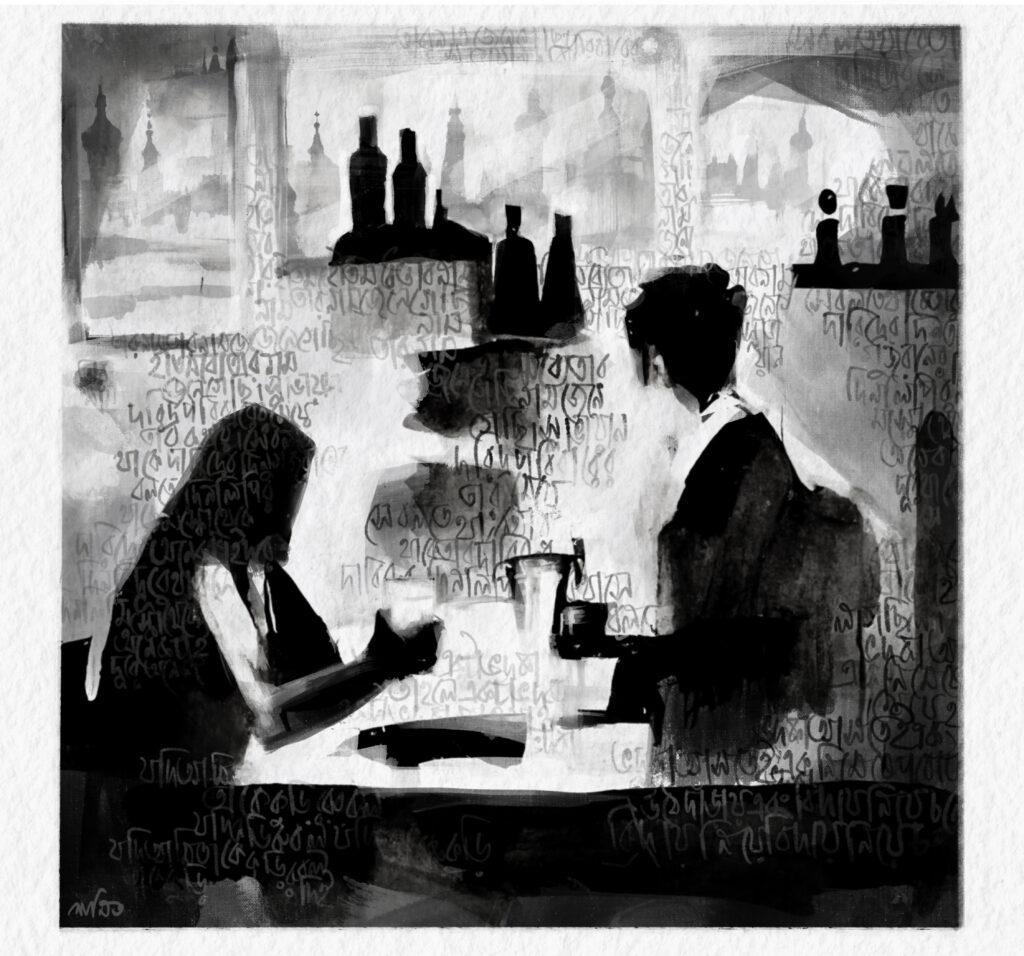
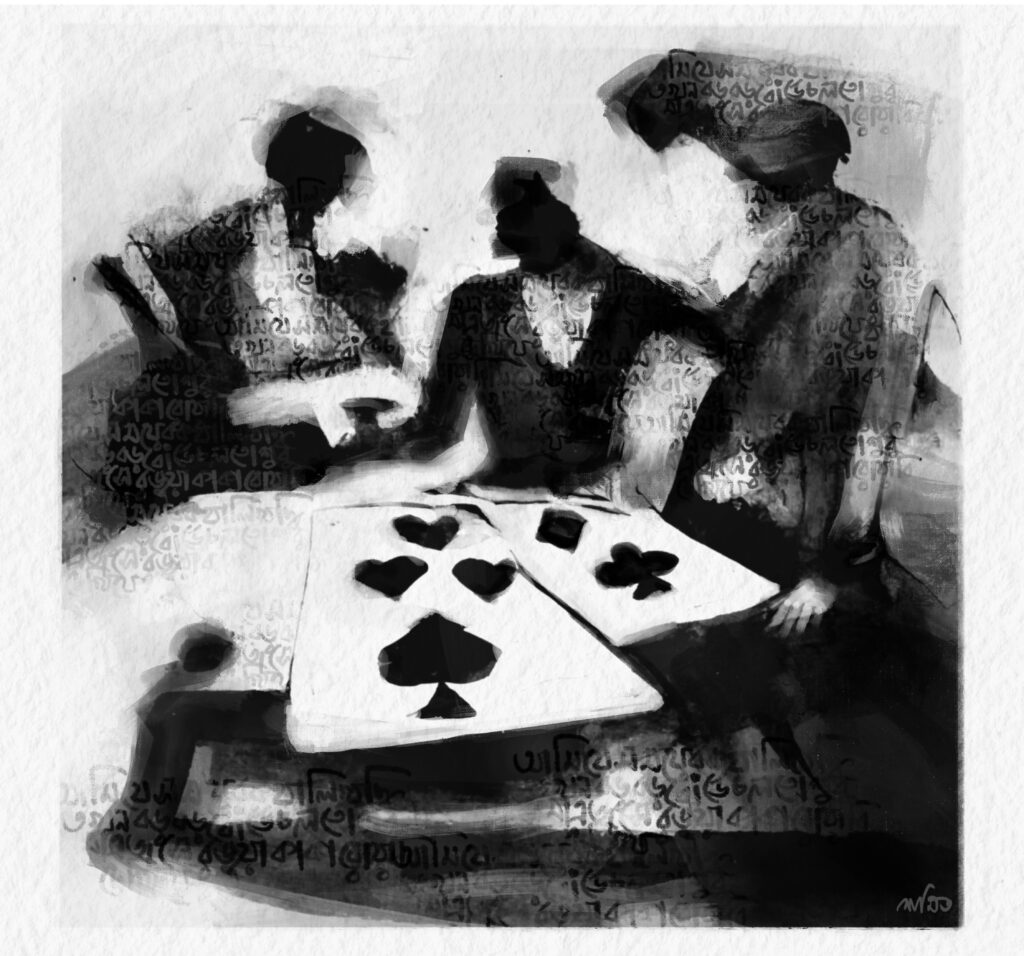
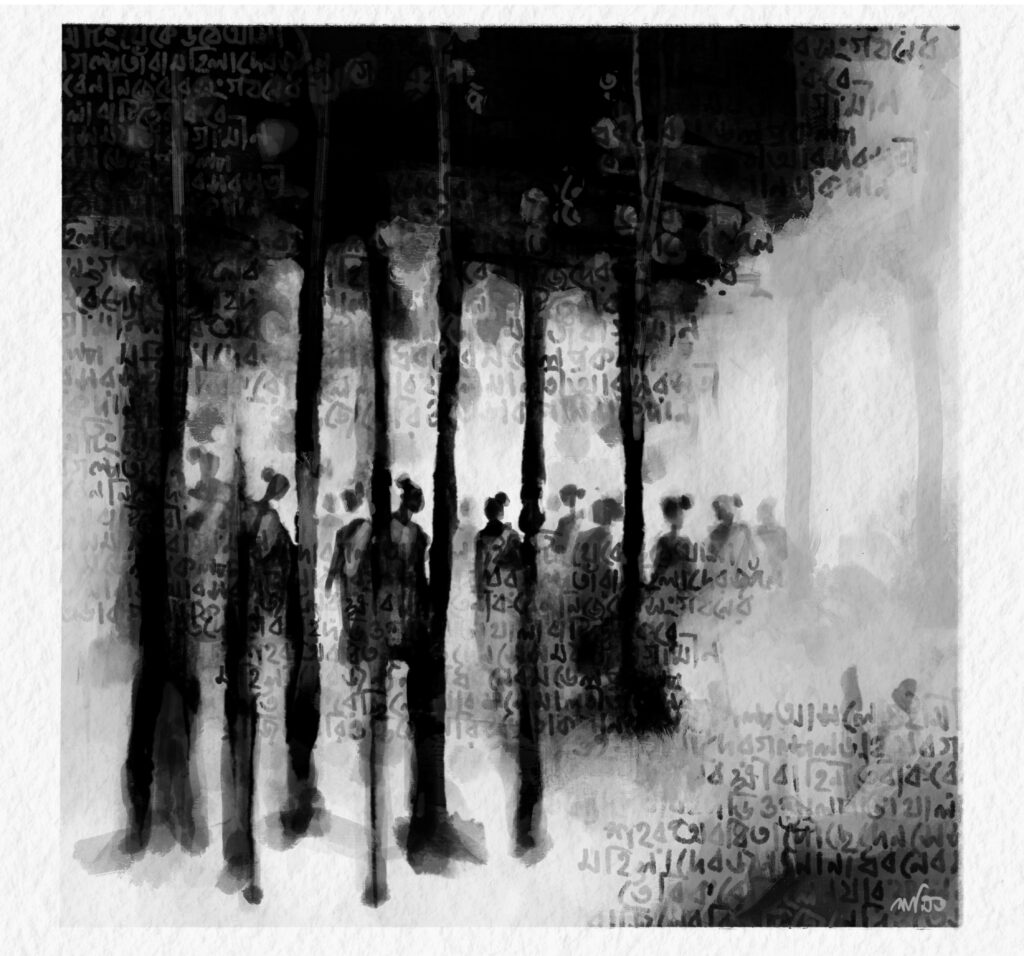
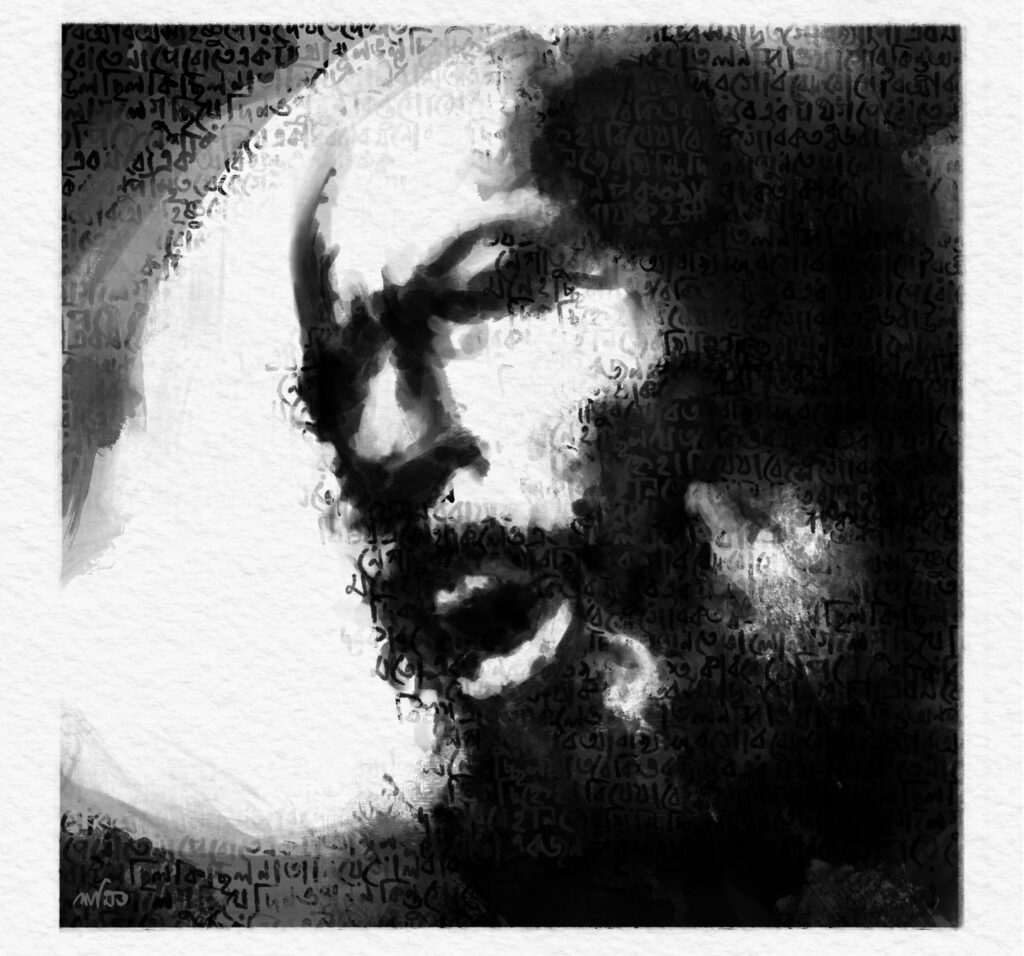
The project began with thirty essays by Ladly Mukhopadhaya —quiet, introspective writings that resisted conventional illustration. Rather than depicting scenes or narratives, the challenge was to create a visual system capable of translating pause, emotion, and ambiguity into image.
At its core, the project explored:
How can Generative AI be adapted to reflect a deeply personal analogue visual language while accelerating large-scale creative production?
The Translation Framework
The process began with deep reading and interpretation, treating each essay as an emotional space rather than a narrative.
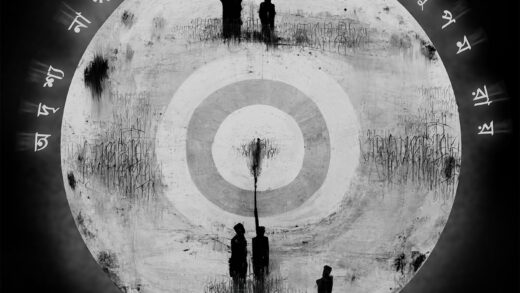
To preserve the tactile sensitivity of ink-wash illustration, a Generative AI workflow was developed and trained using:
- multiple original artworks created in analogue ink-wash techniques
- specific compositional structures and visual behaviours
- monochromatic tonal studies and organic brush textures
Rather than generating arbitrary outputs, the AI system was guided to follow a distinct visual language rooted in:
- fluidity and emergence
- restraint and ambiguity
- soft transitions between presence and absence
The workflow combined:
- human interpretation and curation
- analogue artistic sensibility
- AI-assisted accelerated image generation and refinement
This enabled the development of a cohesive body of work within a compressed production timeline while maintaining stylistic consistency across all pieces.
The final collection included:
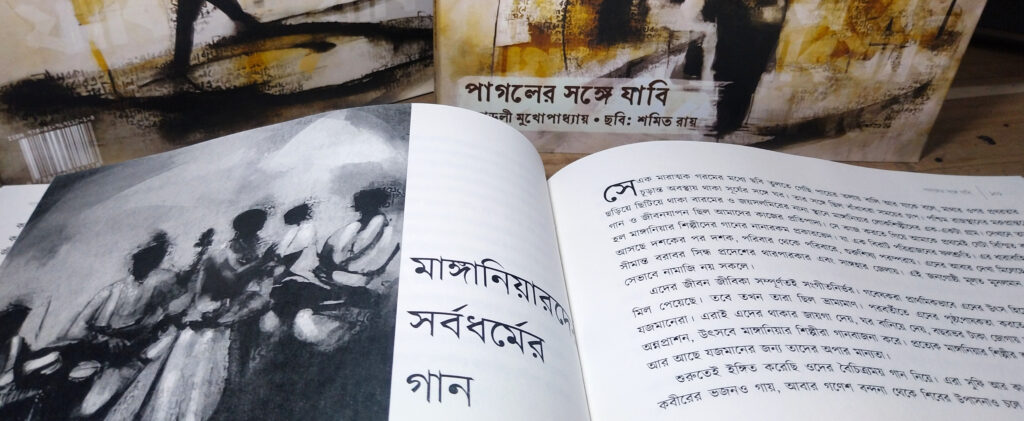
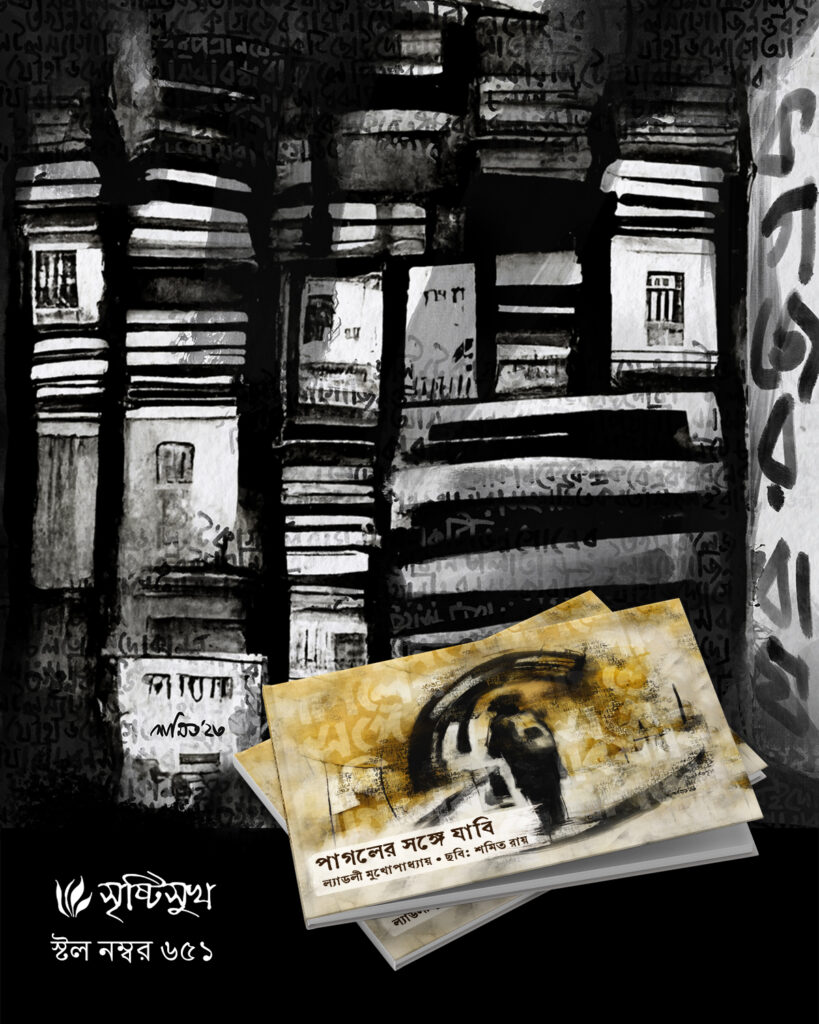
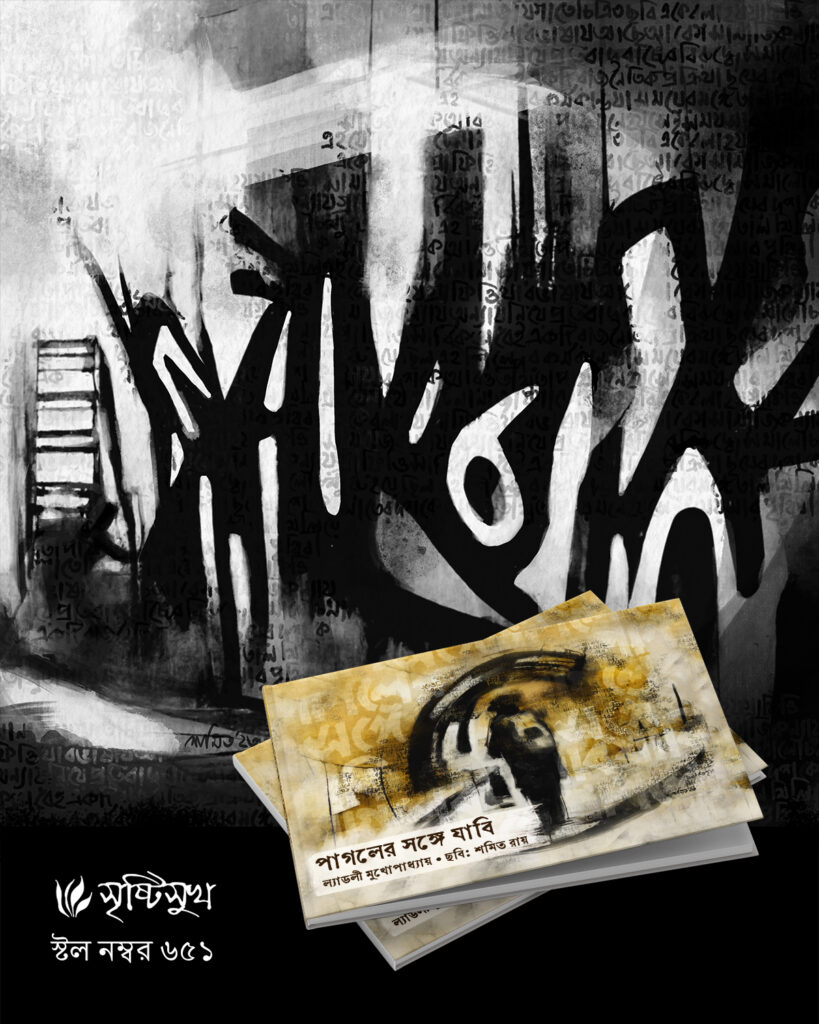
- 35 monochrome artworks
- 2 colour compositions
Together, they formed a unified visual ecosystem where words dissolve into texture and meaning emerges through atmosphere rather than representation.
The Impact & Experience Outcomes
Enhanced Literary Engagement:
Extended the reading experience through reflective, non-literal visual interpretation
Accelerated Creative Production:
Delivered a large-scale visual series within a significantly compressed timeframe
AI Adapted to Personal Style:
Demonstrated how Generative AI can be trained to extend a distinctive analogue artistic language rather than replace it
Cohesive Visual System:
Maintained tonal and compositional consistency across multiple outputs
Strategic Insights
This project demonstrates a scalable framework for integrating Generative AI into contemporary creative practice:
Interpretation Over Representation:
Abstract visual systems can deepen engagement with narrative and literary content
AI as Creative Extension:
Generative systems can amplify personal visual language when guided through curated inputs and intentional training
Hybrid Creative Workflows:
Combining analogue process with AI enables both speed and artistic depth
Consistency at Scale:
AI-assisted systems can maintain stylistic coherence across large bodies of work
Advisory Perspective
This engagement reflects an approach that focuses on:
- translating intangible literary inputs into scalable visual systems
- adapting AI to align with human artistic intent
- building hybrid workflows that balance efficiency with authorship
- designing experiences that prioritise reflection over consumption
Closing Thought
This project was not about asking AI to create images.
It was about teaching a generative system to listen—to rhythm, restraint, texture, and silence.
The result was not a replication of style,
but an expansion of a visual language through collaboration between human sensitivity and machine acceleration.
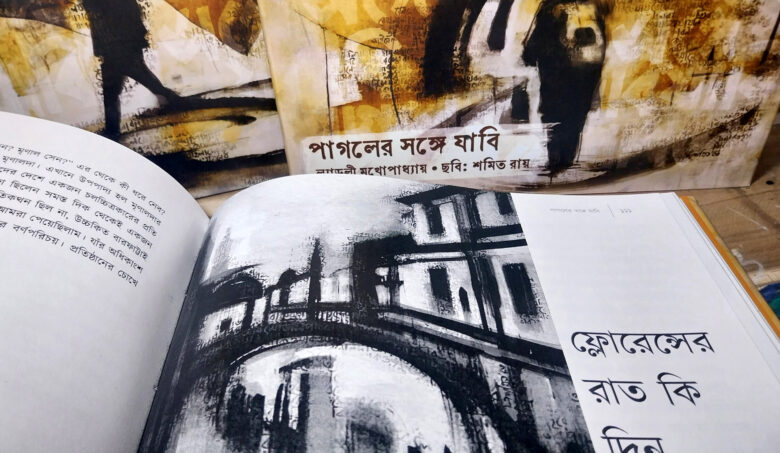
This publication is available through the publisher’s website at the link below.
Pagoler Songe Jabi – sristisukh পাগলের সঙ্গে যাবি – সৃষ্টিসুখ