Music Album Identity & Experiential Design Strategy
The Intent
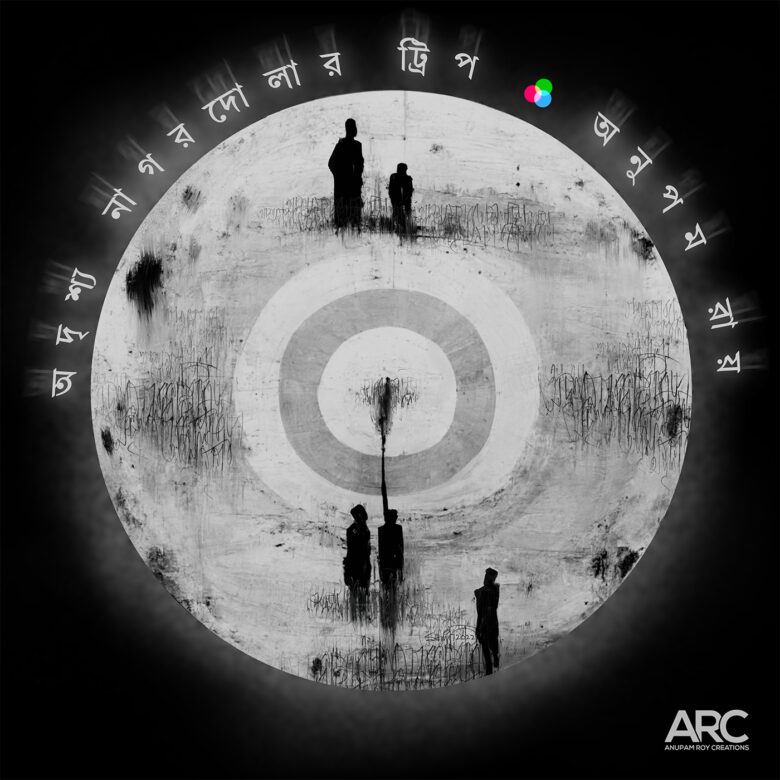
When singer-lyricist-music composer Anupam Roy shared the lo-fi demo of The Trip of the Invisible Ferris Wheel, it became clear that the brief extended far beyond designing an album cover. The music carried a non-linear, introspective sonic identity—cyclical, layered, and emotionally nuanced—demanding a response that could translate its invisible rhythm into a cohesive visual and experiential system.
The challenge was not limited to designing an album cover, but to define a cohesive creative strategy that could:
- Translate an abstract sonic narrative into a recognisable visual identity
- Extend consistently across digital, physical, and experiential touchpoints
- Create deeper audience engagement in an increasingly content-saturated landscape
At a strategic level, the core question was:
How can intangible inputs (sound, memory, emotion) be structured into a scalable creative system that drives consistent perception and engagement?
The Translation Framework
Defining the Conceptual Framework
I established a guiding principle:
“Design systems should be derived from intrinsic content behaviour, not external representation.”
From this, three core drivers were identified:
- Repetition (Sound loops)
- Perception (Memory reconstruction)
- Motion (Cyclical experience)
These informed all downstream creative decisions.
Developing a Scalable Identity System
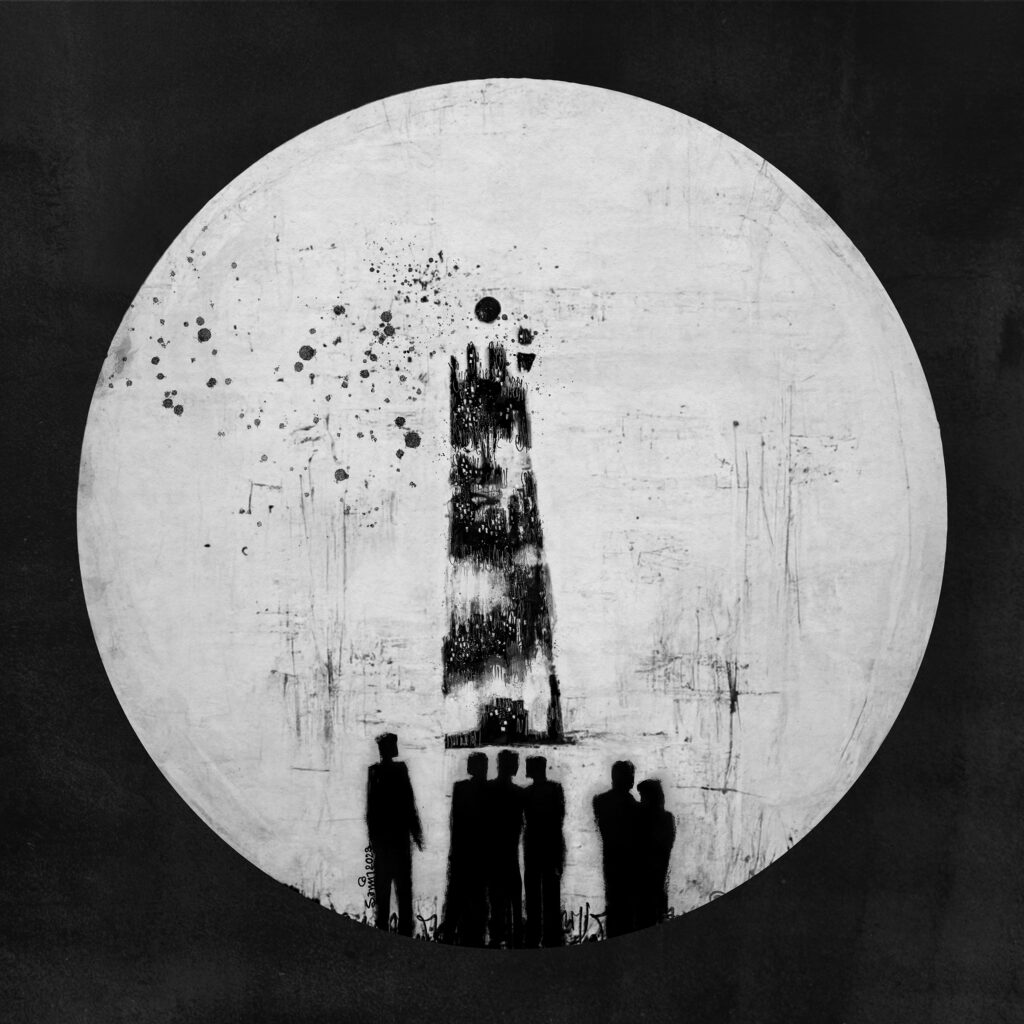
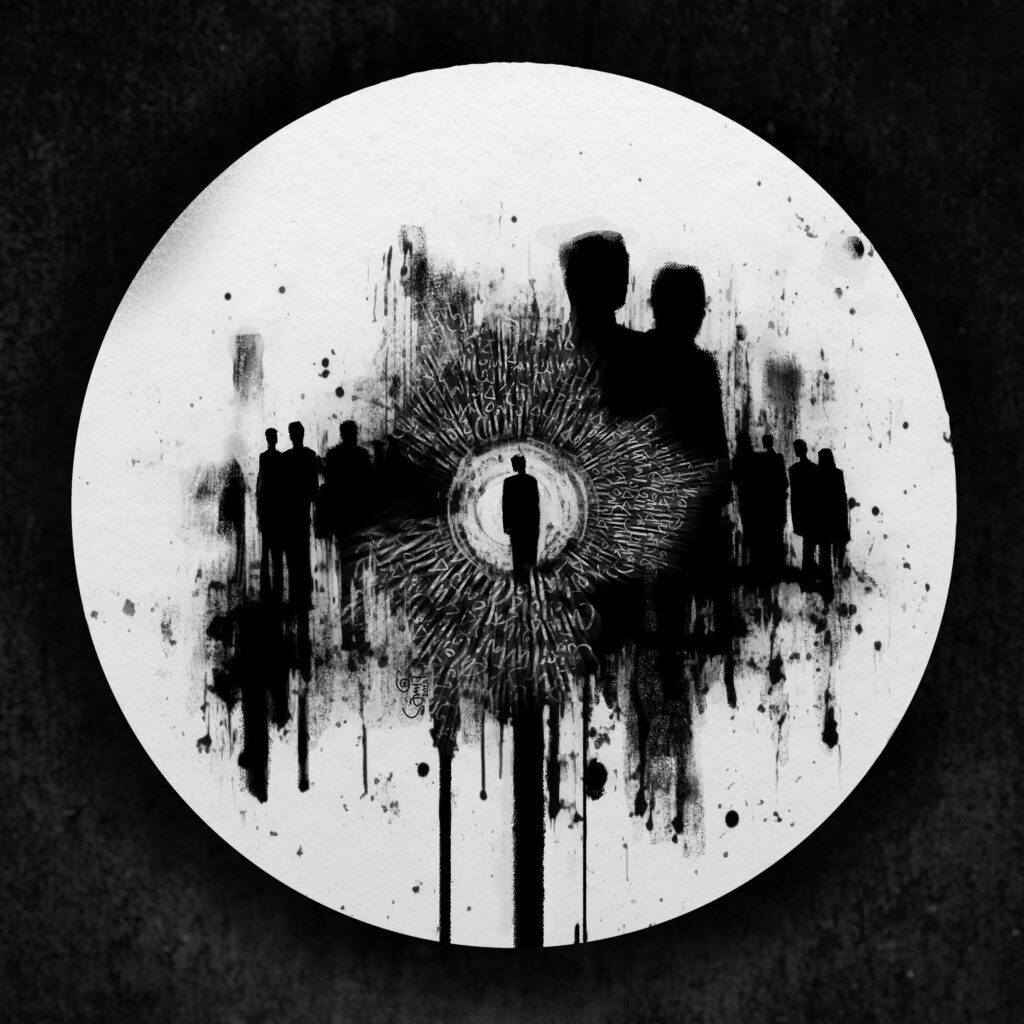
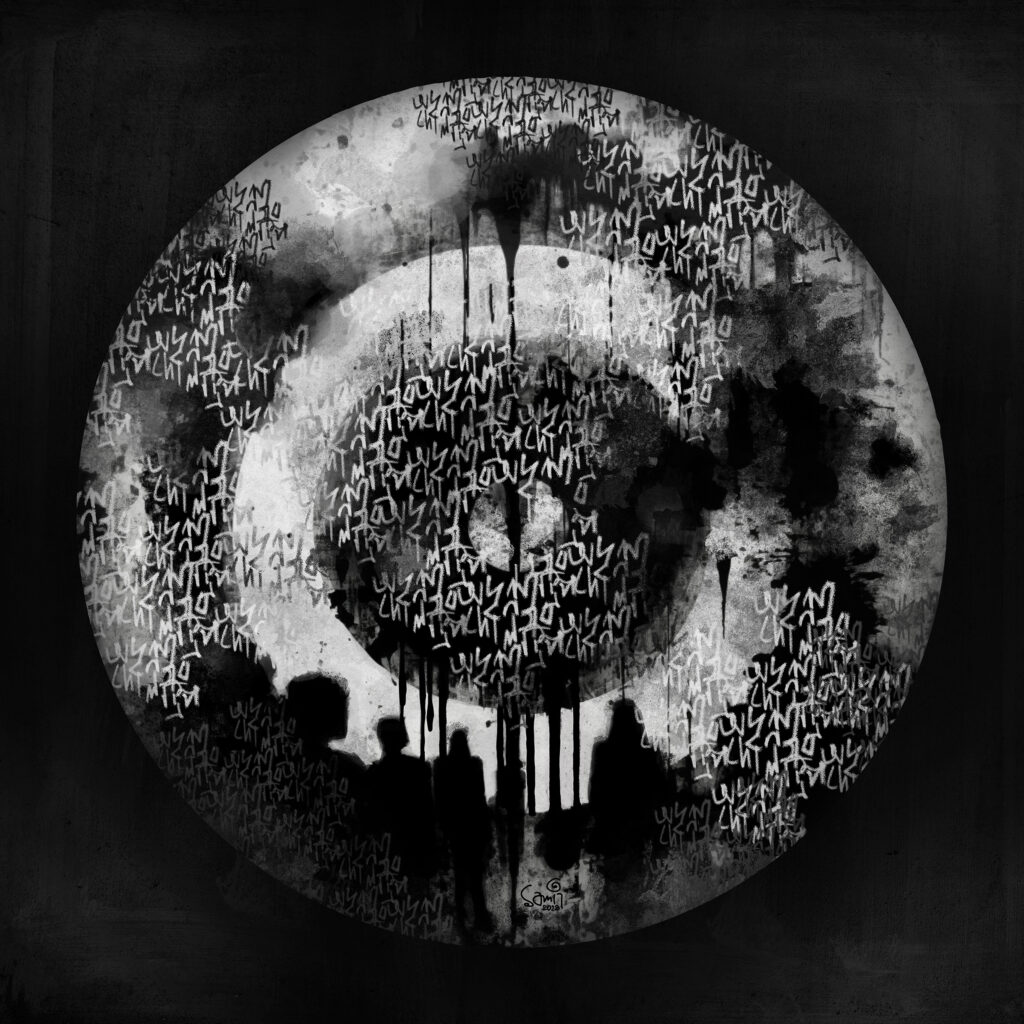
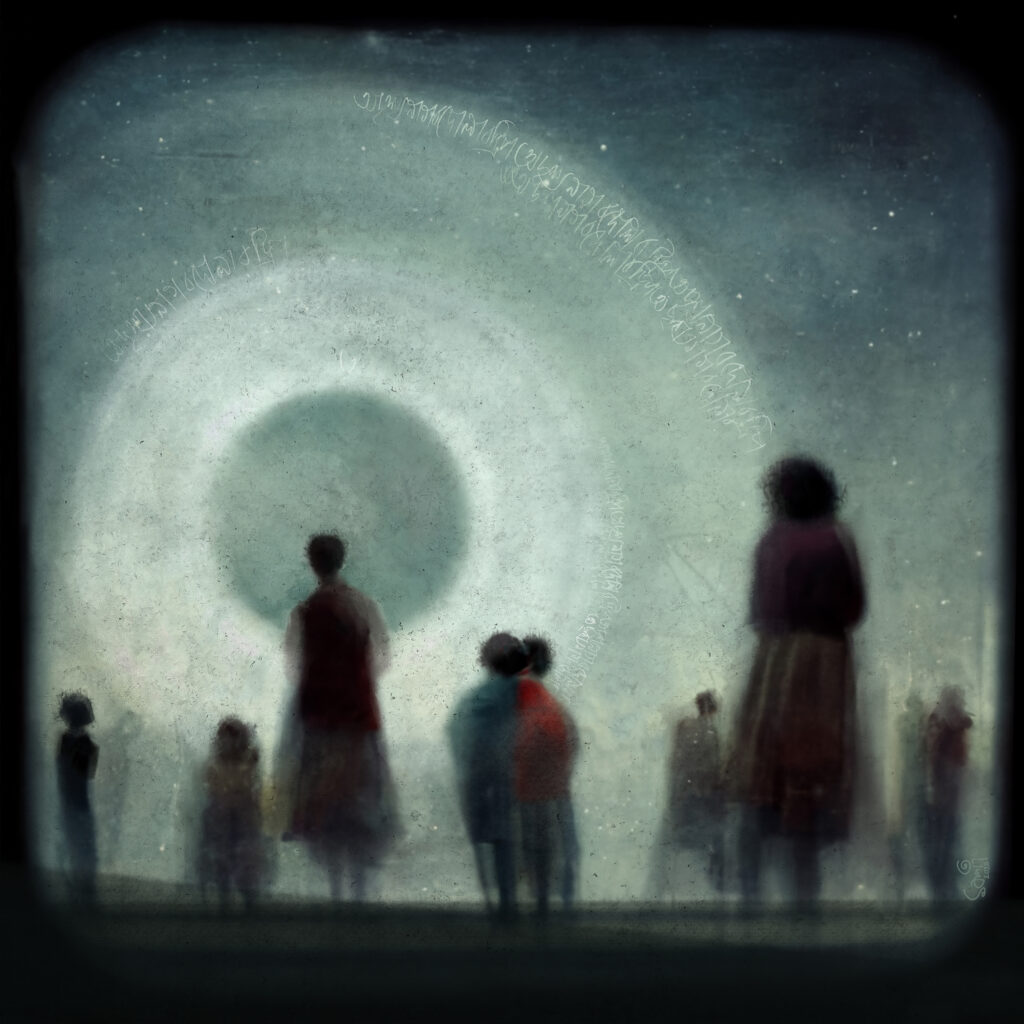
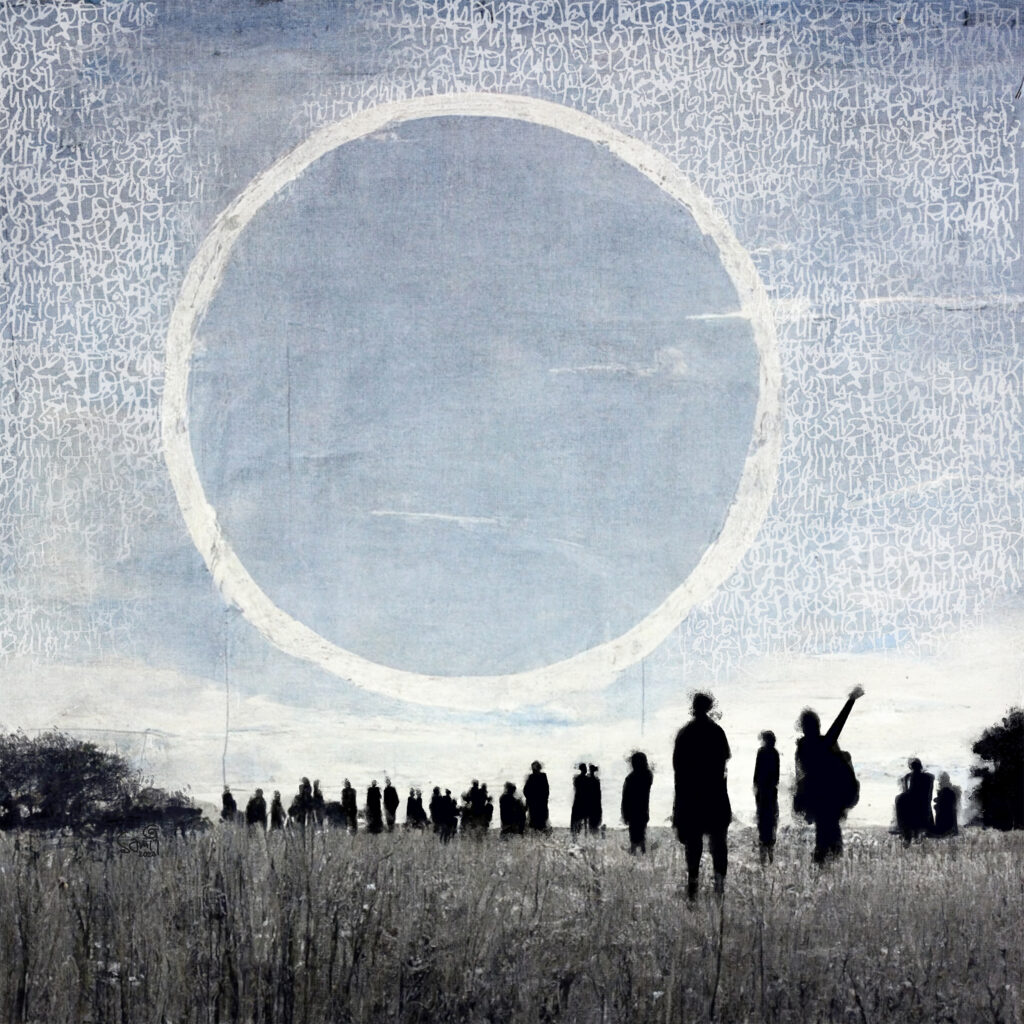
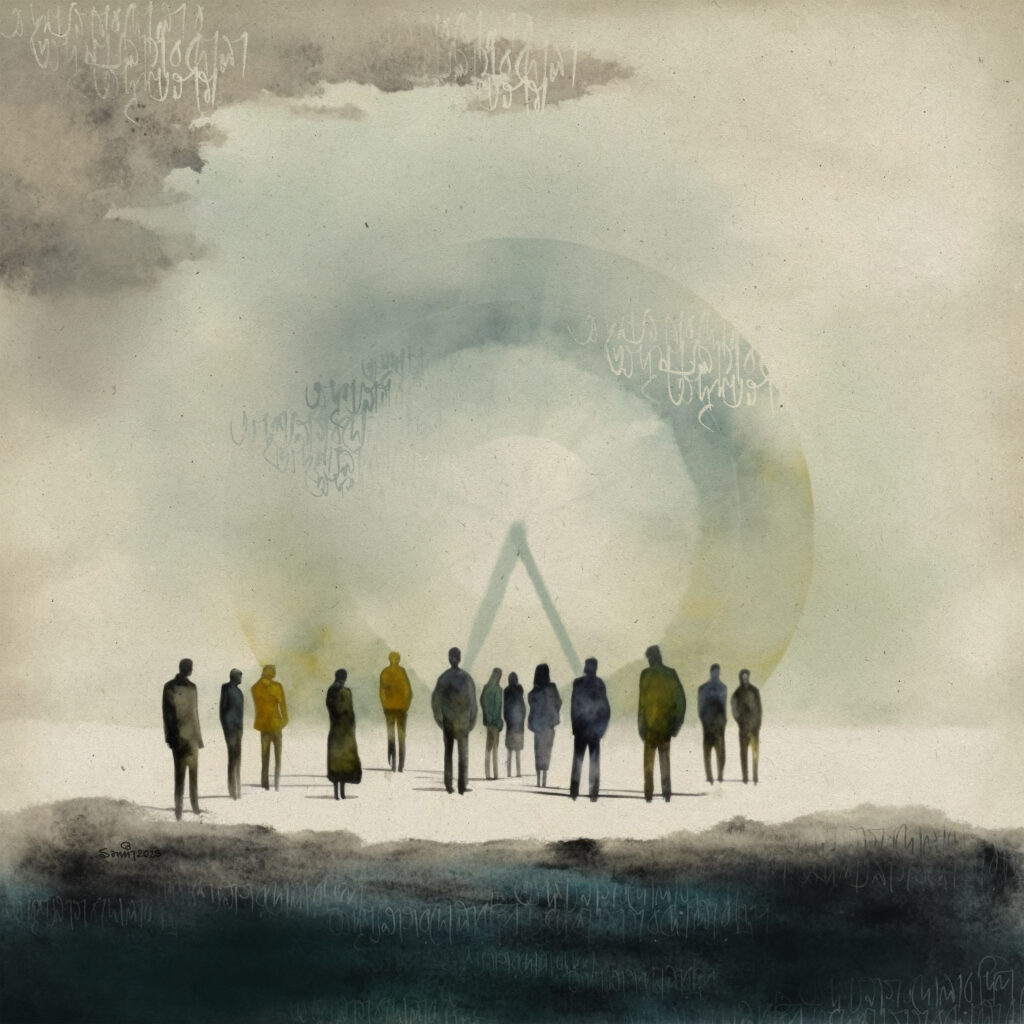
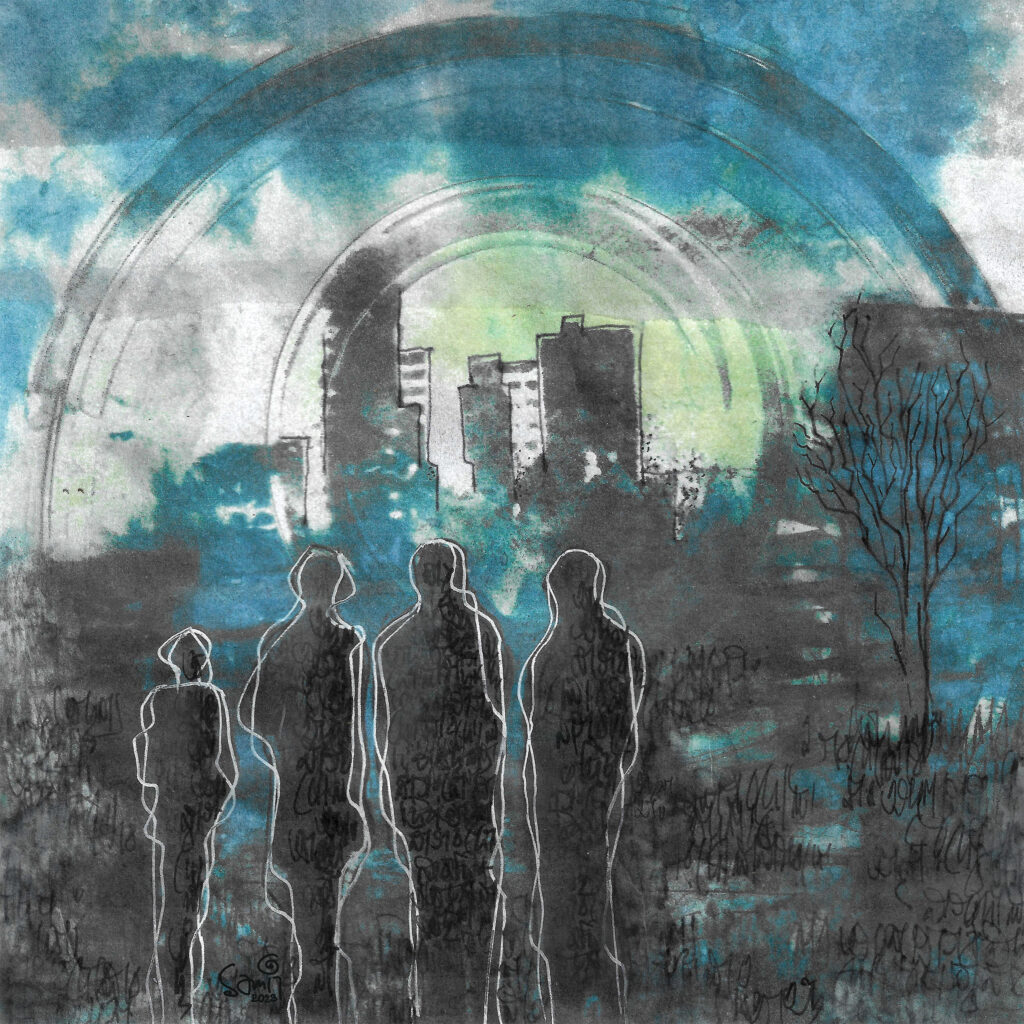
Instead of a single visual output, the focus was on building a modular visual framework anchored in a circular motif—interpreting:
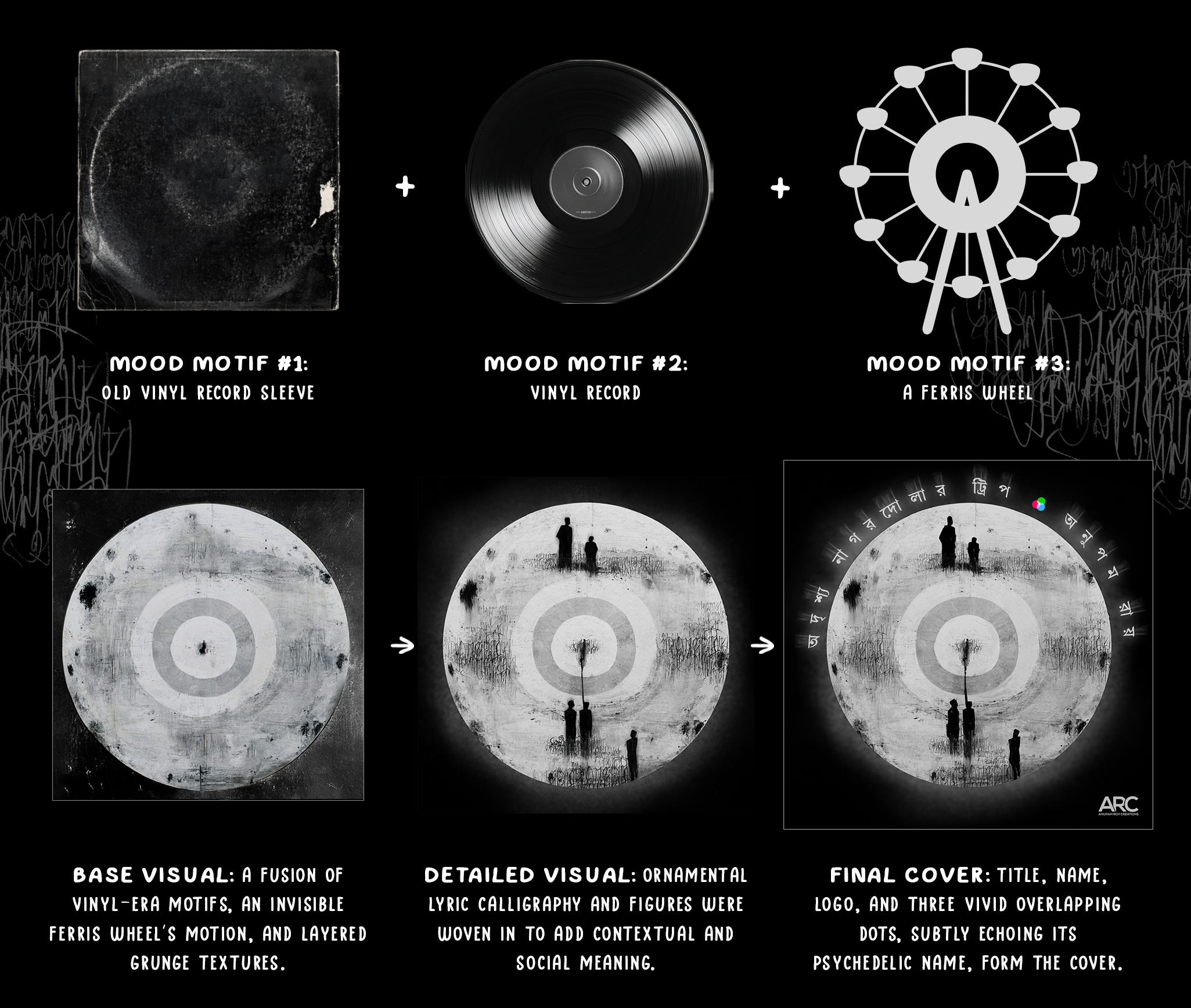
- Vinyl record → structure of sound
- Ferris wheel → invisible cyclical motion
- Memory loop → psychological recall
This enabled:
- Consistency across formats
- Flexibility for adaptation
- Strong recall without literal representation
The aesthetic direction leveraged analogue-era textures to introduce authenticity and emotional resonance—addressing contemporary audience preference for tactile imperfection in digital environments.
Hybrid Creation Model (Craft + Generative Systems)
The execution strategy combined:
- Physical texture creation (for authenticity)
- Digital composition (for control and scalability)
- Generative exploration (for rapid iteration and variation)
From an advisory lens, this demonstrates a repeatable model:
Human intent defines direction → Generative systems expand possibilities → Curation ensures coherence
This approach is directly applicable to organisations integrating AI into creative workflows.
Experience Layer Integration
To extend engagement beyond static consumption, the identity system was translated into an immersive launch environment:
- Motion design derived from core visual logic
- Spatial projection to create environmental storytelling
- Synchronisation with music to reinforce sensory alignment
This reflects a broader strategic principle:
Brand experiences should move from communication to immersion
Content Ecosystem Expansion
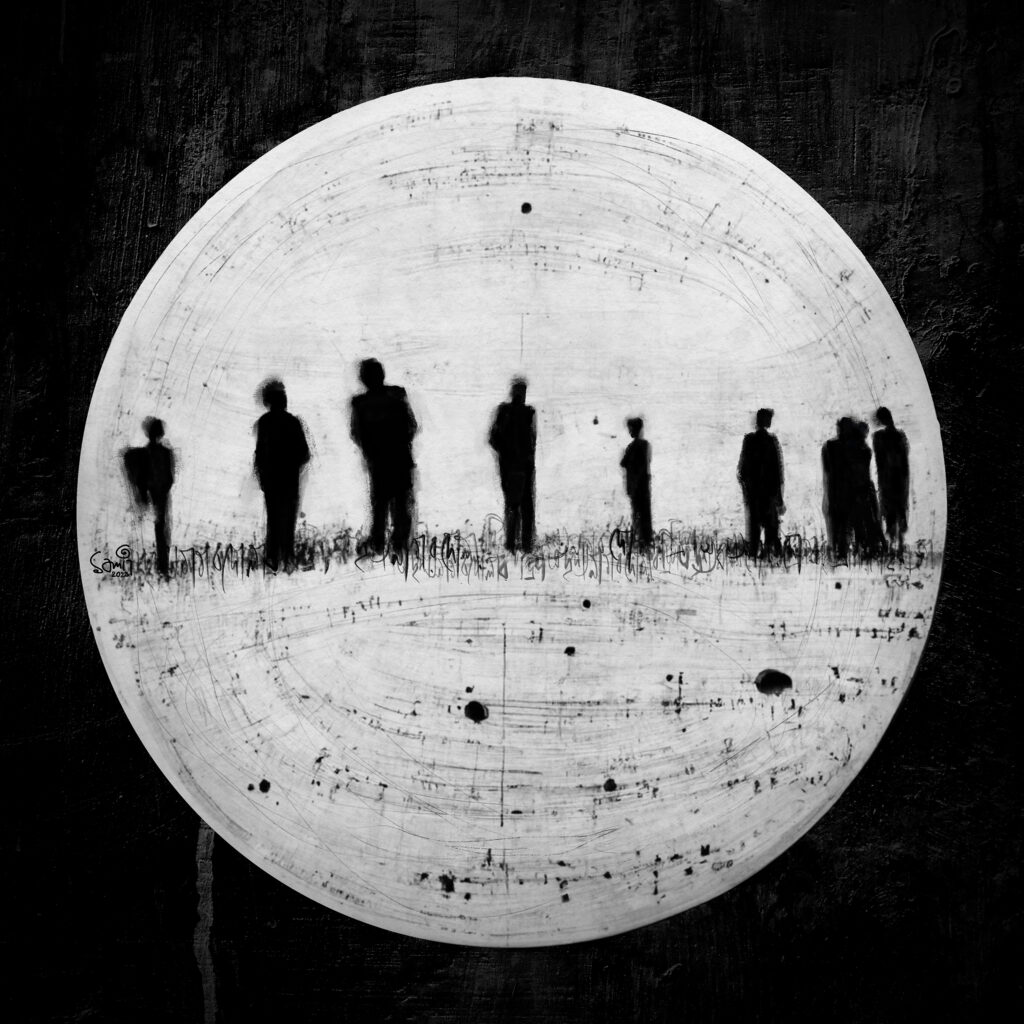
The project was further extended into a curated series of eight paintings—each interpreting a track.
From a consulting perspective, this demonstrates:
- Content scalability from a single core idea
- Ability to create multi-format narrative ecosystems
- Sustained audience engagement through layered storytelling
The Impact & Experience Outcomes
Cohesive Identity Across Touchpoints
A unified creative system applied across:
- Album cover
- Motion graphics
- Physical installation
- Exhibition artworks
Enhanced Engagement Model
- Shifted the album launch from a promotional event to an experiential platform
- Enabled audiences to engage across sensory layers—visual, spatial, and auditory
Strong Conceptual Recall
- Established a non-literal but highly recognisable identity
- Reinforced the album’s core idea through consistent abstraction
Strategic Insights
This project offers a framework relevant beyond the arts and music industry:
Designing from Behaviour, Not Form
Start with how content behaves (loops, rhythm, interaction), not how it looks.
Build Systems, Not Artifacts
A scalable identity system outperforms isolated outputs in multi-channel environments.
Hybrid Creative Models Are the Future
Integrating human creativity with generative systems enables both speed and depth.
Experience Drives Engagement
Immersive, multi-sensory touchpoints create stronger audience connection than static communication.
Content Can Be Ecosystem-Driven
A single core idea can expand into multiple formats, extending lifecycle and impact.
Advisory Perspective
This engagement reflects an approach to consulting that focuses on:
- Translating intangible, language-driven inputs into structured visual frameworks
- Designing systems that balance clarity and openness
- Enabling content to scale across formats while retaining emotional depth
- Creating experiences that prioritise reflection over consumption
Closing Thought
This was not a process of illustrating what was written—but of recognising what was already present, waiting to surface.
When the system is sensitive enough, meaning does not need to be constructed—it reveals itself.
Listen to this album on Spotify: