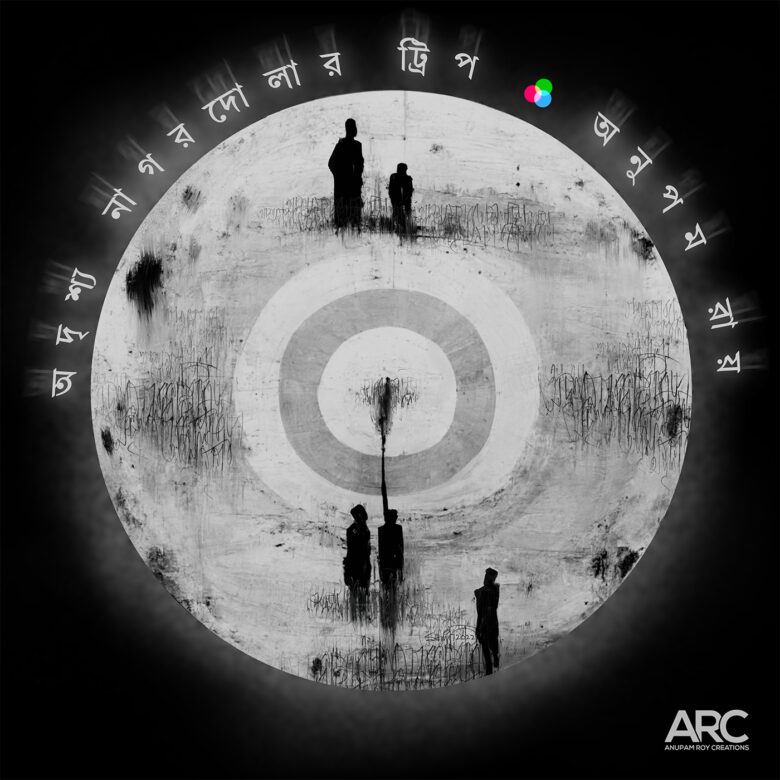
It all began with a name that felt like a dream — The Trip of the Invisible Ferris Wheel. When multiple national award–winning singer-songwriter and music director Anupam Roy shared the lo-fi demo of his album and requested me to create a cover art for it, the sound moved in circles — hypnotic, fragile, constantly returning to itself. I knew the cover art couldn’t simply depict the album name literally; it had to follow a rhythm, to sketch the invisible motion inside the music.
I turned to the world of 70s–80s vinyl sleeves — their grain, their restraint, their quiet boldness. That era offered something Gen Z finds deeply magnetic today: retro warmth, imperfect textures, a sense of artistry that feels crafted rather than manufactured. Those covers were not merely packaging; they were portals. They held mystery, mood, a kind of analogue honesty. I wanted the artwork to carry that spirit forward — nostalgic yet contemporary, tactile yet digital.
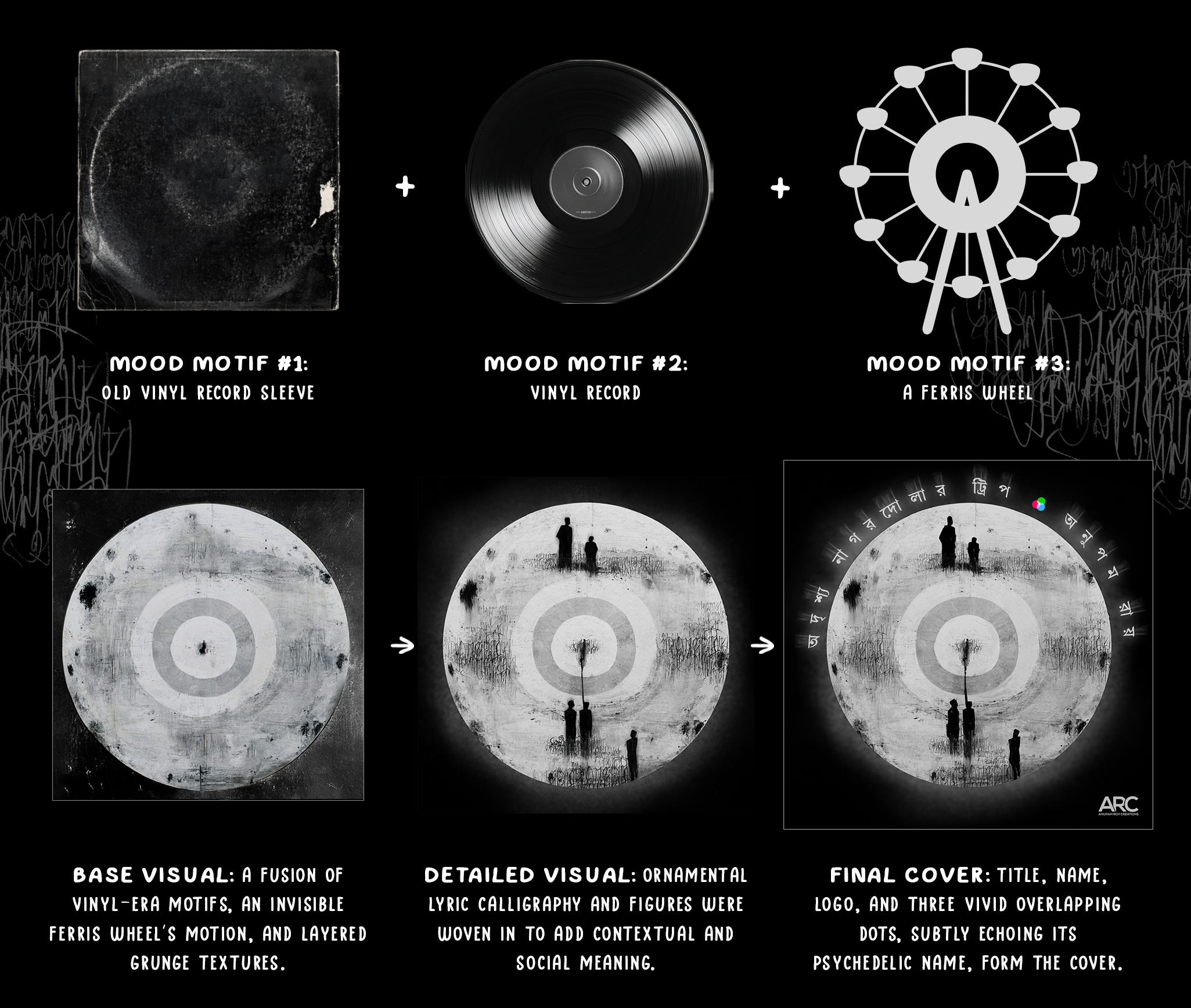
The circle became the anchor — part Ferris wheel, part vinyl record, part memory loop. From there the artwork emerged through hand-painted textures, worn edges, muted colours, and stray handwritten fragments drifting between lyric and silence. Each layer became a small echo of the album’s pulse — motion and stillness intertwined.
For the launch, the artwork extended beyond the cover. I animated the visual elements to create a moving installation projected on the gallery wall — the textures pulsing, the circle rotating like a slow, invisible wheel, echoing the album’s looping rhythm. The launch at KCC became an experiment in how visuals can deepen the act of listening.
To carry that experience further, we curated an exhibition of eight of my paintings, each interpreting a song from the album, alongside the main cover art. Visitors could step into a space where sound met image — where the music played not just through speakers but through colour, texture, and motion. It turned the album from something heard into something lived, seen through the eyes of an artist responding to its emotional landscape.
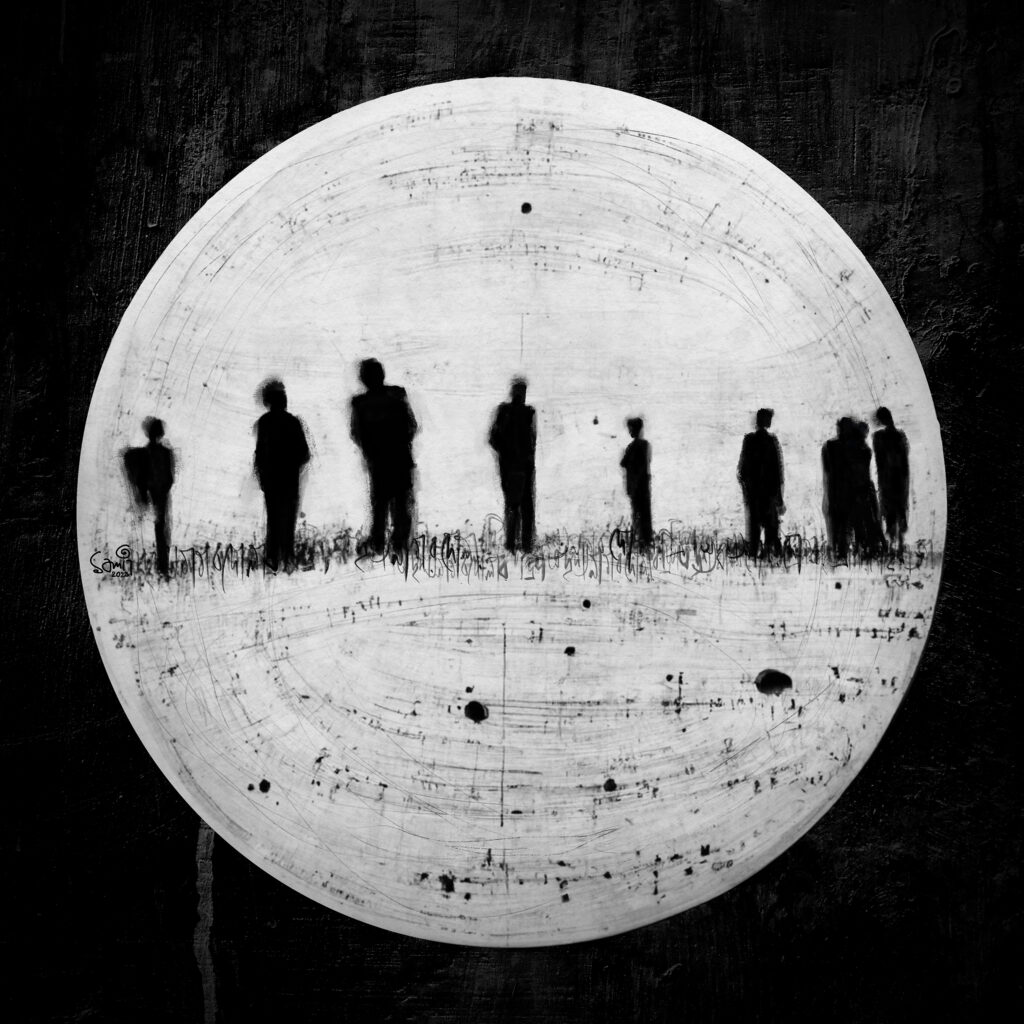
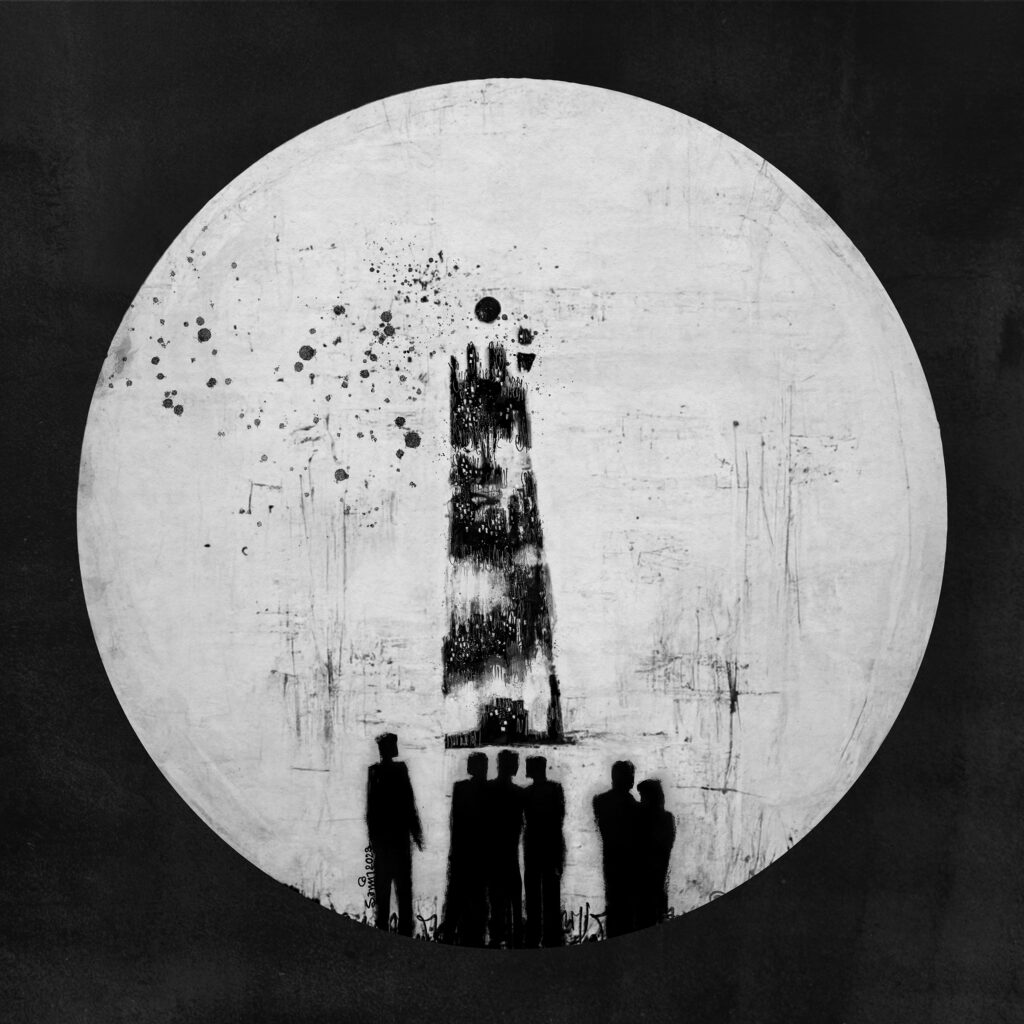
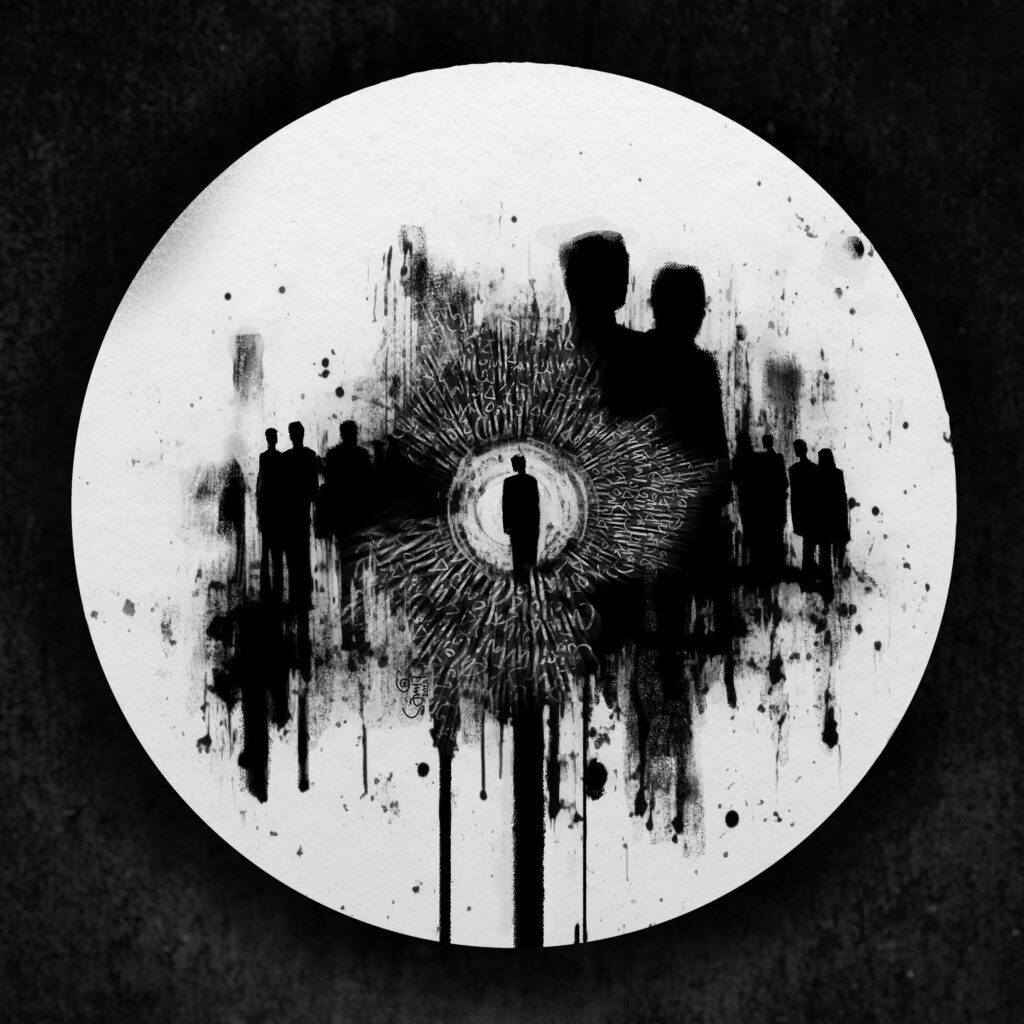
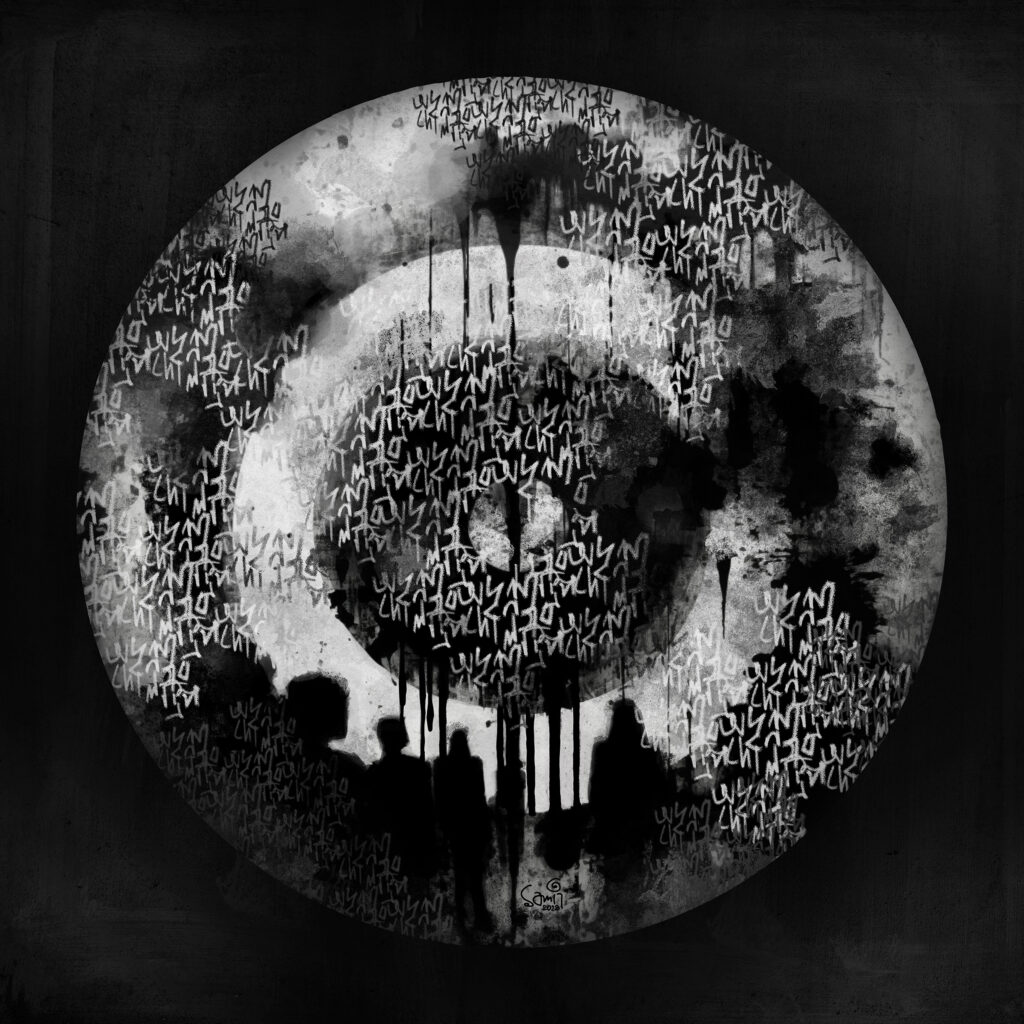
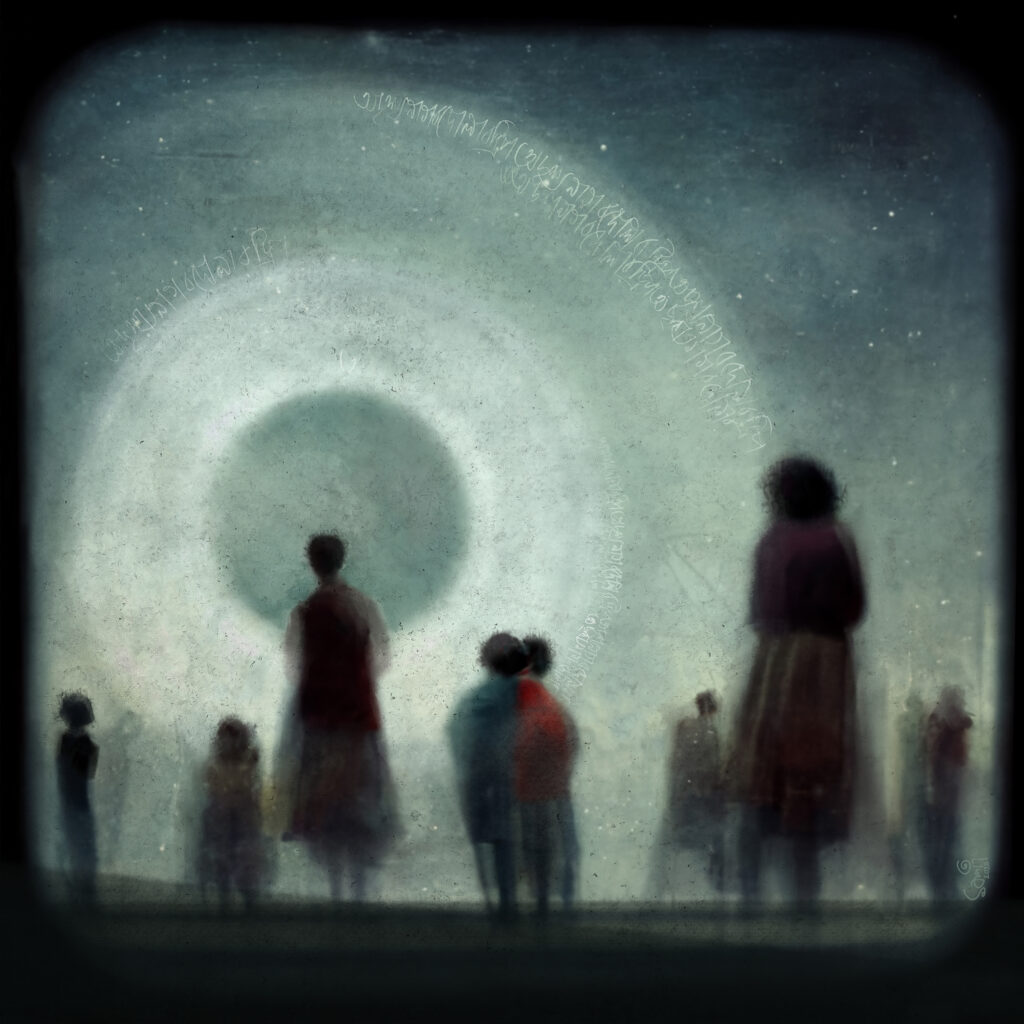
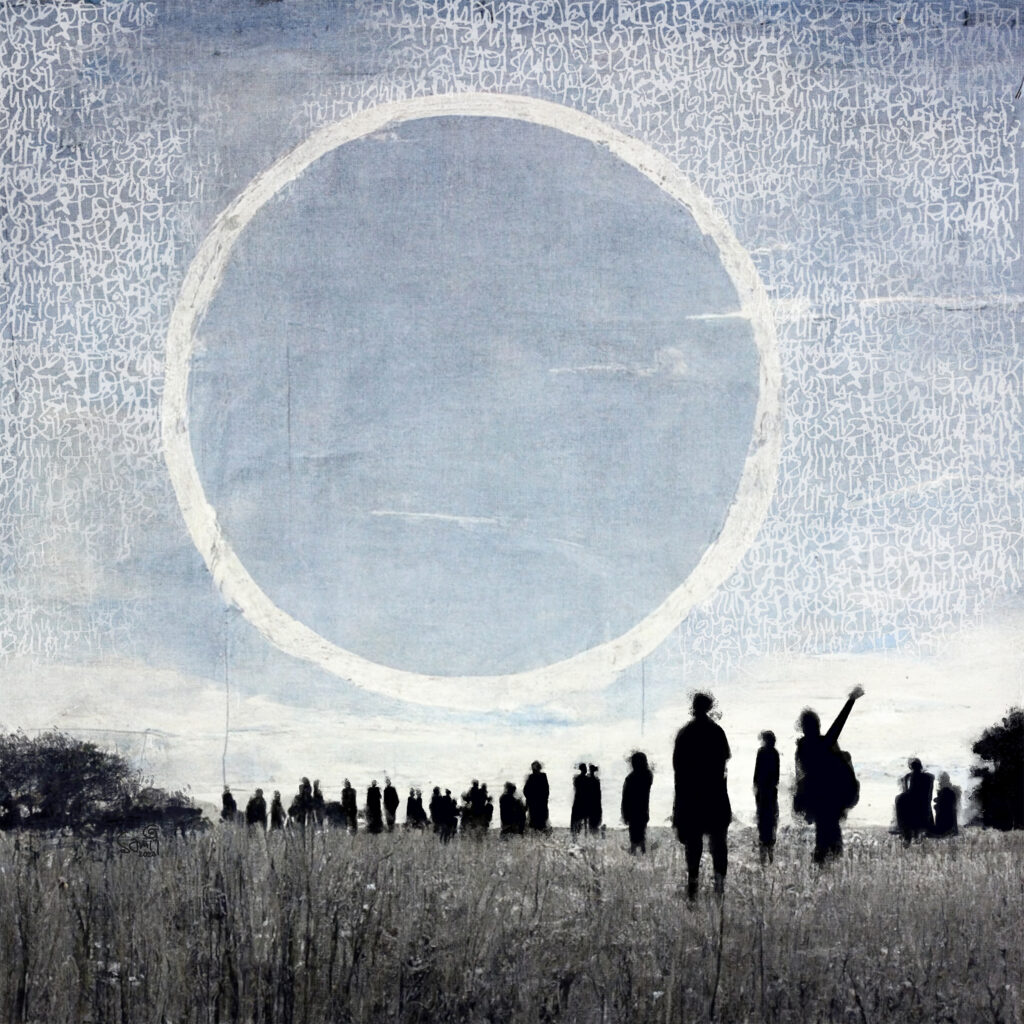
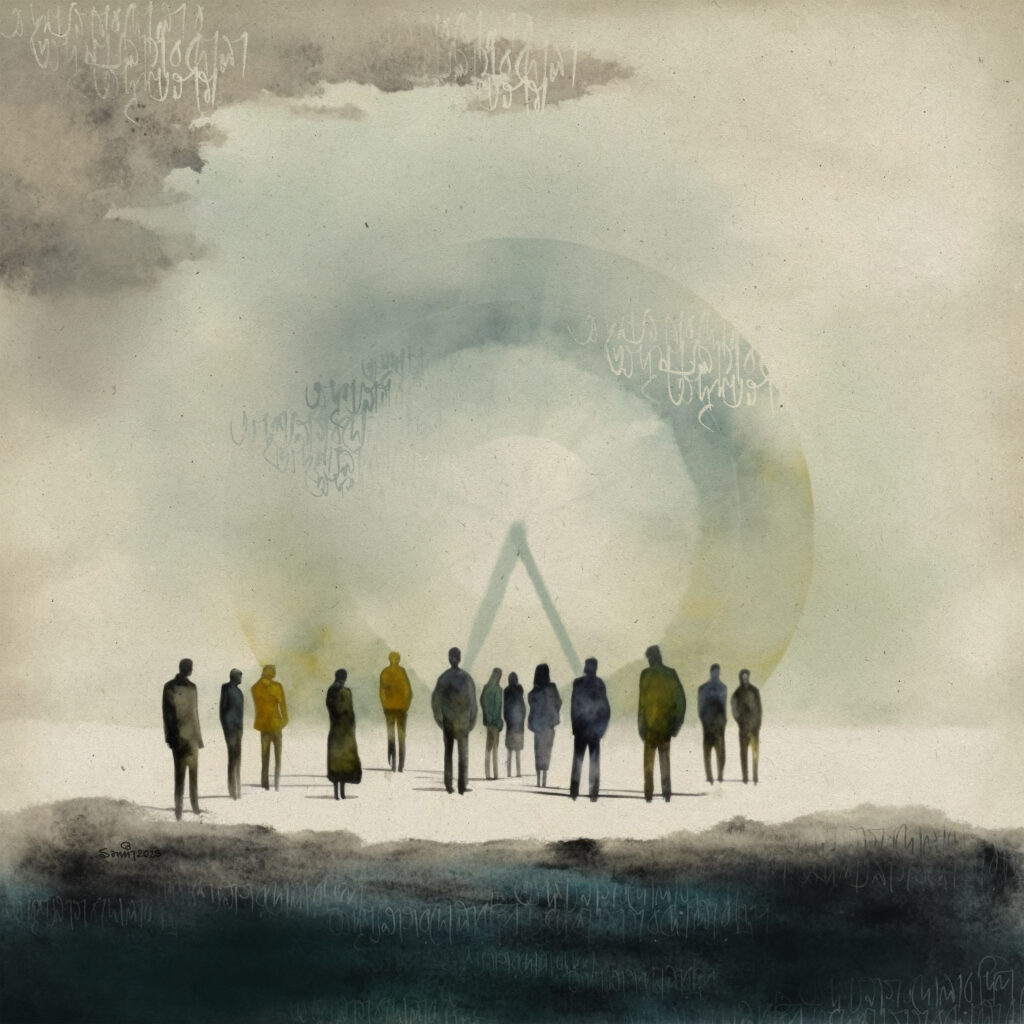
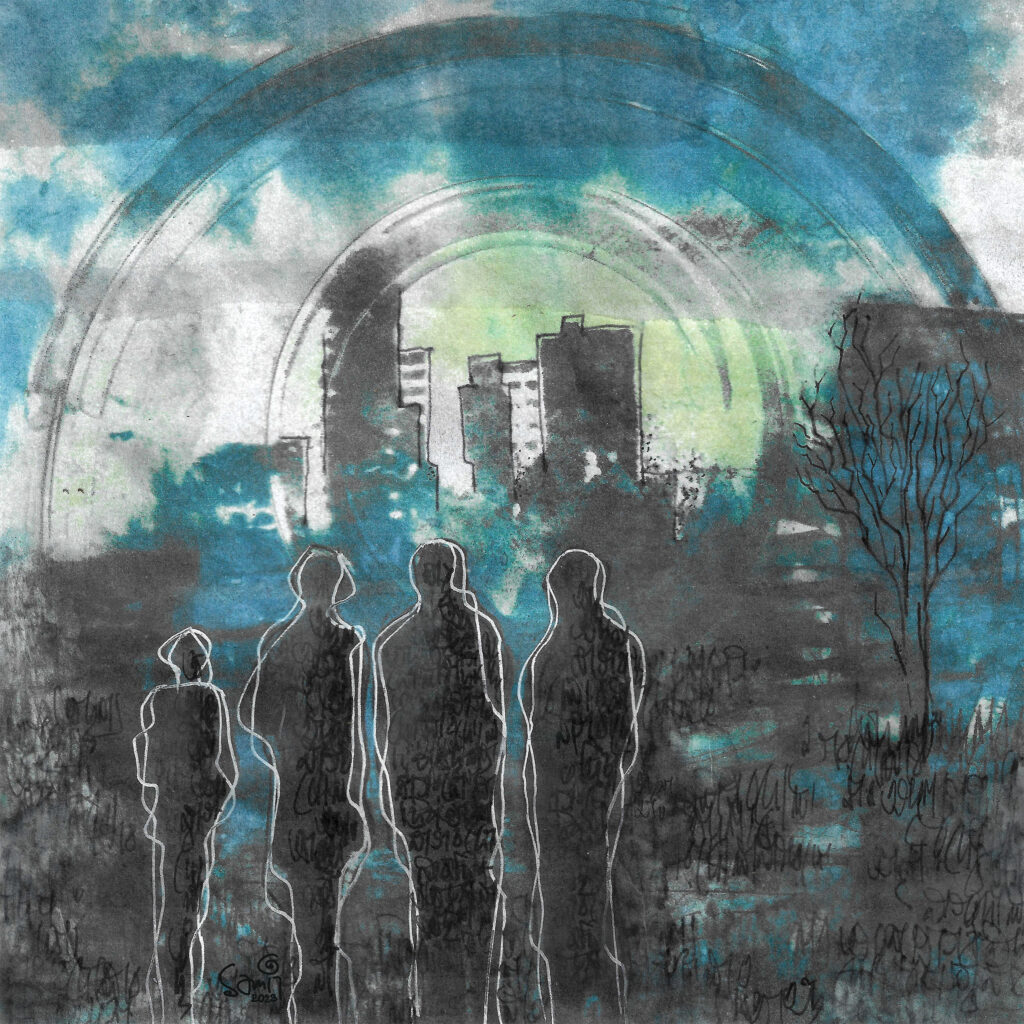
In the end, the Ferris wheel never appears, yet you feel it — spinning quietly in the background of sound and time.
Listen to this album on Spotify: